Table of Contents:
Introduction to the Barents Sea
The Barents Sea, located in the Arctic region, is a unique and vital body of water, nestled between Norway and Russia. It is not only known for its stunning landscapes but also for its rich marine biodiversity, making it one of the most productive fishing areas in the world. The sea covers an area of approximately 1.4 million square kilometers and is characterized by a mixture of cold Arctic waters and warmer Atlantic currents, creating a complex ecosystem.
This sea serves as a crucial habitat for numerous fish species, including cod, haddock, and the infamous king crab, which thrive in its nutrient-rich waters. The Barents Sea plays an essential role in the local economy, particularly for fishing communities that rely on its abundant resources for their livelihoods. Commercial fishing activities in this region are carefully regulated to ensure sustainable practices, reflecting the importance of maintaining the delicate balance of this marine environment.
In addition to its economic significance, the Barents Sea is a key area for scientific research. Studies on climate change and its impact on marine life are ongoing, as this region is particularly sensitive to environmental shifts. Understanding the dynamics of the Barents Sea helps in developing strategies for conservation and sustainable fishing practices.
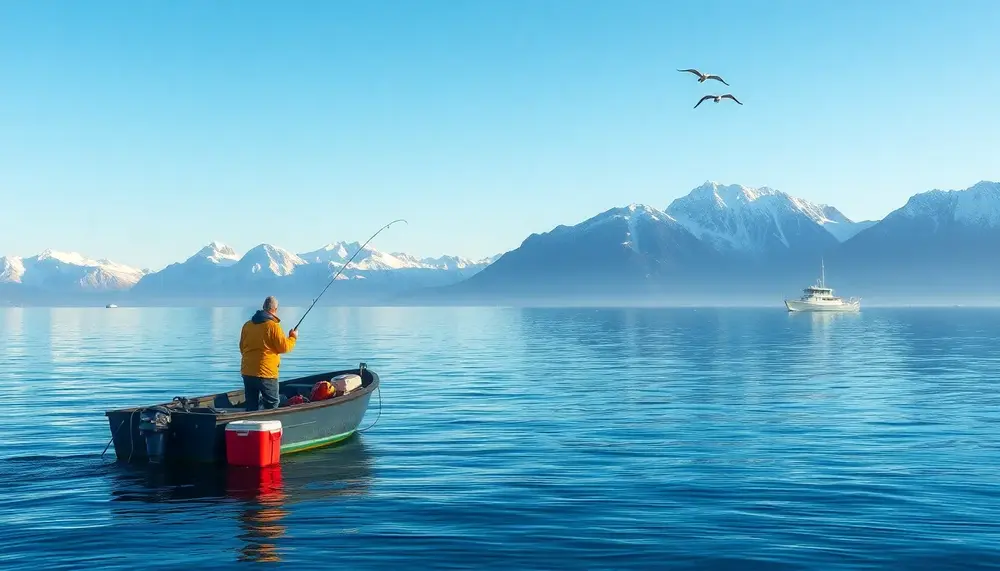
For anglers, the Barents Sea offers an exciting opportunity to explore its rich fishing grounds. With its diverse fish populations and breathtaking scenery, it's no wonder that fishing in this area attracts enthusiasts from around the globe. Whether you're a seasoned fisherman or a novice, the Barents Sea promises an unforgettable experience filled with adventure and the chance to connect with nature.
Geographical and Climatic Conditions
The Barents Sea, situated in the northeastern part of Europe, is bordered by Norway to the west and Russia to the east. This strategic location not only makes it a significant area for geopolitical reasons but also a vital fishing ground due to its unique geographical features.
The sea is characterized by a continental shelf that extends far into its depths, providing a rich habitat for a variety of marine species. The relatively shallow waters of the shelf are particularly productive, supporting a diverse ecosystem. These areas are crucial for spawning and feeding, which are essential for sustaining fish populations.
The climate in the Barents Sea is heavily influenced by its proximity to the Arctic. Winters are harsh, with temperatures often dropping below freezing, while summers are short but can be surprisingly mild. This climatic variability affects the fish populations and their migratory patterns. The melting ice in summer opens up new fishing opportunities, but it also poses challenges, such as changing habitats and fish behavior.
In terms of weather conditions, the Barents Sea experiences frequent storms and rough seas, which can make fishing challenging. However, these conditions also contribute to the nutrient upwelling that supports rich marine life. Fishermen must be well-prepared for sudden weather changes and understand how these climatic factors influence fish availability.
Overall, the geographical and climatic conditions of the Barents Sea create a dynamic environment that is both challenging and rewarding for fishing enthusiasts. Understanding these factors is essential for successful fishing trips in this unique region.
Key Fish Species in the Barents Sea
The Barents Sea is home to a diverse array of fish species, each playing a crucial role in the ecosystem and supporting both commercial and recreational fishing activities. Here are some of the key species you can expect to encounter:
- Cod (Gadus morhua): This iconic species is a staple of the Barents Sea fishery. Cod is highly sought after for its firm, white flesh and is often used in various culinary dishes. They are typically found in shallower waters during spawning season.
- Pollock (Pollachius virens): Known for its mild flavor, pollock is another significant catch in the Barents Sea. It is often used in processed food products like fish sticks and imitation crab meat. Pollock thrives in the colder waters and is usually caught using trawling methods.
- Halibut (Hippoglossus hippoglossus): This flatfish is prized for its delicate taste and texture. Halibut is typically found in deeper waters, making it a favorite among anglers seeking a challenge. Its large size and culinary value make it a desirable target.
- King Crab (Paralithodes camtschaticus): An invasive species in the Barents Sea, the king crab has become a lucrative catch. Known for its sweet, tender meat, it attracts many fishermen. However, its presence also raises concerns about ecological balance.
- Mackerel (Scomber scombrus): Mackerel is a fast-growing fish that is highly migratory. It is often found in schools and is known for its rich flavor, making it popular among both consumers and anglers. The fishing season for mackerel typically coincides with warmer months.
Each of these species contributes to the vibrant fishing culture of the Barents Sea. Understanding their behaviors, habitats, and seasonal patterns is essential for anyone looking to maximize their fishing experience in this remarkable marine environment.
Fishing Techniques from Shore
Fishing from shore in the Barents Sea can be an exhilarating experience, offering anglers the chance to connect with nature while targeting various species. To maximize success, it's important to understand the techniques and equipment best suited for this unique environment.
One of the primary techniques for shore fishing involves the use of spinning rods. These rods are typically lightweight and allow for greater casting distances, which is essential in the often turbulent waters of the Barents Sea. When selecting a rod, look for one that is at least 2.4 to 3.0 meters long, as this will help you reach deeper waters where fish tend to gather.
Here are some effective techniques for shore fishing:
- Bottom Fishing: This method involves using weights to keep your bait on or near the seabed, where species like cod and pollock are often found. Use a strong fishing line and sturdy hooks to handle the larger fish.
- Float Fishing: Utilizing a float allows you to suspend your bait at a certain depth, which can be effective for targeting species that are higher in the water column. Adjust the depth based on the species you are targeting and the current conditions.
- Surf Casting: This technique is particularly useful in areas with sandy beaches. By casting your line beyond the breaking waves, you can access fish that are feeding in the surf, such as mackerel and flatfish.
- Using Lures: Lures can be incredibly effective in attracting fish. Consider using spoons, jigs, or soft plastics that mimic the movement of local baitfish. Experiment with different colors and sizes to find what works best on any given day.
In addition to techniques, bait choice is crucial. Natural baits like shrimp, sand eels, or mackerel chunks are often very effective in the Barents Sea. When fishing from shore, it's also advisable to be mindful of tides, as they can significantly influence fish activity and availability.
Lastly, always check local regulations regarding fishing from shore, including licensing requirements and any specific rules about protected species or areas. By following these guidelines, anglers can enjoy a rewarding fishing experience while contributing to the sustainability of the Barents Sea's rich marine resources.
Boat Fishing Methods
Boat fishing in the Barents Sea opens up a world of possibilities for anglers, allowing access to deeper waters and a wider variety of fish species. Several methods are particularly effective for targeting the region's rich marine life, each requiring specific techniques and equipment.
Here are some popular boat fishing methods:
- Trawling: This method involves dragging nets through the water behind the boat, targeting species like cod and haddock. Trawling can be done at various depths, depending on the species being targeted. The use of specialized trawling gear helps optimize catch efficiency.
- Drift Fishing: Drift fishing allows the boat to move with the current while lines are deployed. This technique is effective for species that are dispersed throughout the water column, such as mackerel. Anglers can use multiple lines with various baits to increase their chances of a good catch.
- Bottom Fishing: This technique targets fish that dwell near the seabed, such as halibut and flatfish. Anglers drop weighted lines with bait to the bottom, often using multiple hooks to maximize their catch. It’s essential to use sturdy gear to handle the larger fish that may be caught.
- Trolling: Trolling involves pulling lures or baited hooks behind a moving boat. This method is particularly effective for catching pelagic species, such as mackerel and pollock. Adjusting the speed of the boat and the depth of the lures can significantly impact success rates.
When boat fishing in the Barents Sea, it’s crucial to consider local regulations regarding species and catch limits. Additionally, understanding the seasonal patterns of fish behavior can enhance your fishing experience. Weather conditions and ocean currents also play a significant role in fishing success, so being prepared and adaptable is key.
Ultimately, boat fishing in the Barents Sea offers a thrilling adventure, combining skill, patience, and the beauty of the natural environment. By mastering these methods, anglers can effectively tap into the rich resources this remarkable sea has to offer.
Ice Fishing Techniques
Ice fishing in the Barents Sea is a unique and rewarding experience that allows anglers to target a variety of fish species during the winter months. This method requires specific techniques and equipment to ensure both safety and success on the ice.
Here are some effective ice fishing techniques to consider:
- Drilling Holes: Start by using a hand auger or a power auger to drill holes in the ice. The thickness of the ice can vary, so ensure it is at least 10 inches thick for safe fishing. It's advisable to drill multiple holes to increase your chances of finding active fish.
- Using Tip-Ups: Tip-ups are a popular choice for ice fishing. They consist of a spring-loaded flag that signals when a fish bites. Set up your tip-ups with live bait, such as minnows or small jigs, at various depths to attract different species.
- Jigging: This technique involves using a fishing rod equipped with a jig or lure. Jigging can be highly effective for species like cod and pollock. Experiment with different jigging motions and colors to see what entices the fish on that particular day.
- Depth Adjustment: Fish behavior can change based on water temperature and light conditions. Pay attention to the depth at which you catch fish and adjust your bait accordingly. Sometimes, fish may be located just below the ice or deeper down, so be prepared to experiment.
It's essential to dress warmly and in layers when ice fishing, as temperatures can drop significantly. Additionally, always carry safety equipment, such as ice picks and a flotation device, in case of emergencies. Remember to check local regulations regarding ice fishing, including permitted species and catch limits.
Ice fishing in the Barents Sea not only offers the thrill of catching fish in a stunning winter landscape but also provides an opportunity to experience the tranquility of nature. With the right techniques and precautions, anglers can enjoy a successful and safe ice fishing adventure.
Best Fishing Times and Seasons
Timing is crucial when it comes to fishing in the Barents Sea, as different fish species have specific seasons and peak times for feeding. Understanding these patterns can greatly enhance your fishing success. Here’s a breakdown of the best fishing times and seasons for various species found in this rich marine environment.
- Cod: The peak season for cod fishing typically runs from late winter to early spring (February to April). During this time, cod move closer to shore for spawning, making them more accessible to anglers. Late summer and early autumn (August to October) can also yield good catches, especially in deeper waters.
- Pollock: Pollock are best targeted in the spring and early summer months (April to July). They tend to school in large numbers during this period, providing excellent fishing opportunities. Autumn months can also be productive, particularly for larger specimens.
- Halibut: For halibut, the ideal fishing season is from late spring to early summer (May to July). During this time, they are actively feeding and can be found at varying depths. Winter fishing for halibut can also be successful, but conditions can be challenging.
- King Crab: The king crab fishing season typically begins in October and can last until January. Winter months are particularly favorable as the crabs are more abundant and easier to catch when they are actively feeding.
- Mackerel: The best time to catch mackerel is during the summer months (June to September). They are highly migratory and can be found in large schools during this season, especially around coastal areas.
In addition to seasonal patterns, daily fishing times also play a role. Early mornings and late afternoons are often the most productive times to fish, as many species are more active during these periods. Additionally, factors such as tides and moon phases can influence fish behavior, so keeping an eye on these can also lead to a more successful outing.
By aligning your fishing trips with these optimal times, you can maximize your chances of a successful catch in the Barents Sea, enjoying both the thrill of the hunt and the beauty of this remarkable environment.
Environmental Considerations in Fishing
Environmental considerations are critical when engaging in fishing activities in the Barents Sea. This region, known for its rich biodiversity, faces various challenges that necessitate responsible fishing practices to ensure the sustainability of its marine ecosystems.
One of the primary concerns is overfishing, which can lead to the depletion of key species and disrupt the ecological balance. To combat this, fisheries management practices have been implemented to regulate catch limits and maintain fish populations. These measures are designed to allow fish stocks to replenish, ensuring long-term viability for both commercial and recreational fishing.
Another important aspect is the impact of climate change on marine environments. The Barents Sea is experiencing shifts in water temperature and ice cover, affecting fish migration patterns and spawning behaviors. Anglers should be aware of these changes and adapt their fishing strategies accordingly. Staying informed about climate-related developments can help fishermen minimize their impact on the ecosystem.
Additionally, the use of sustainable fishing gear is essential. Techniques that reduce bycatch and minimize damage to the seabed are encouraged. For instance, using circle hooks can decrease the likelihood of harming non-target species, while selecting gear that minimizes habitat disruption is crucial for preserving marine habitats.
Lastly, it’s vital for anglers to follow local regulations regarding protected species and closed fishing areas. These regulations are in place to safeguard vulnerable populations and ensure that fishing activities do not compromise the health of the ecosystem.
By prioritizing environmental considerations, anglers can contribute to the conservation of the Barents Sea, helping to maintain its rich resources for future generations. Responsible fishing practices not only benefit the environment but also enhance the overall fishing experience, ensuring that this beautiful region remains a thriving habitat for marine life.
Conclusion and Encouragement for Fishing in the Barents Sea
In conclusion, fishing in the Barents Sea offers a unique blend of adventure and opportunity. With its rich biodiversity and stunning landscapes, this region is not only a paradise for anglers but also a vital part of the marine ecosystem. Engaging in fishing here means participating in a tradition that supports local communities and contributes to sustainable practices.
As you embark on your fishing journey, consider the following:
- Respect Local Regulations: Adhering to fishing laws and guidelines is essential for preserving the delicate balance of marine life.
- Practice Sustainable Fishing: Use techniques that minimize impact on the environment, ensuring that fish populations remain healthy for future generations.
- Stay Informed: Keeping up to date with local fishing reports and environmental changes can enhance your experience and success.
- Share Your Experience: Engage with the fishing community, sharing tips and stories, and promoting awareness about the importance of conservation.
Whether you're casting your line from the shore or navigating the open waters, the Barents Sea promises a fishing experience like no other. Embrace the thrill of the catch, the beauty of the surroundings, and the camaraderie of fellow anglers. With the right preparation and respect for nature, your fishing adventures in this remarkable sea will be both rewarding and memorable.
FAQs about Fishing in the Barents Sea
What are the key fish species found in the Barents Sea?
The Barents Sea is home to several important fish species, including Cod, Pollock, Halibut, King Crab, and Mackerel. Each of these species plays a vital role in the local ecosystem and fishing practices.
What are the best fishing techniques for shore fishing?
Effective shore fishing techniques in the Barents Sea include bottom fishing, float fishing, surf casting, and using lures. Each technique has its own equipment requirements and methods to attract fish.
When is the best season for fishing in the Barents Sea?
The best fishing times vary by species: Cod is most abundant from late winter to early spring, Pollock is best from April to July, Halibut fishing is ideal from May to July, King Crab can be caught from October to January, and Mackerel fishing peaks during the summer months from June to September.
What are some recommended boat fishing methods?
Popular boat fishing methods in the Barents Sea include trawling, drift fishing, bottom fishing, and trolling. Each method targets different species and requires specific techniques and equipment.
How can anglers practice sustainability while fishing?
Anglers can practice sustainability by following local regulations, using sustainable fishing gear that reduces bycatch, and adhering to catch limits. It's important to stay informed about environmental changes and participate in conservation efforts to protect marine life.