Table of Contents:
Understanding Surf Fishing
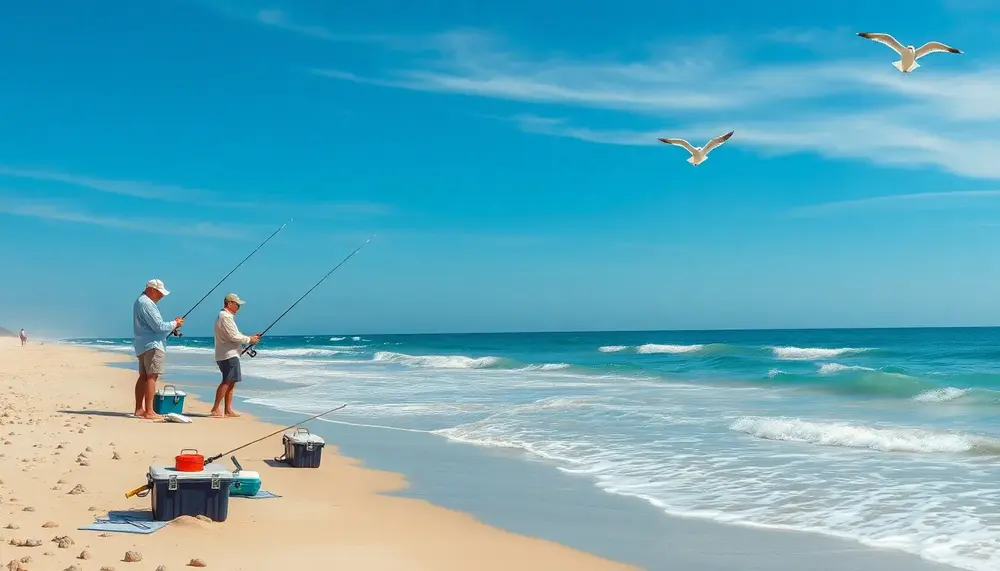
Surf fishing is an exhilarating way to connect with nature while enjoying the thrill of fishing along the coastline. It involves casting your line from the beach, targeting various species that inhabit the surf zone. Understanding the fundamentals of surf fishing can greatly enhance your experience and success rate.
What is Surf Fishing?
Surf fishing specifically refers to fishing from the shoreline, where waves break and the water is shallow. This technique allows anglers to reach species that are often found close to shore, taking advantage of the ocean's natural currents and tides.
Key Elements of Surf Fishing
- Location: Choose areas where the waves break, as this is where fish often gather to feed.
- Tides: Understanding tide patterns is crucial; many fish are more active during rising and falling tides.
- Seasonality: Different species migrate depending on the season, so being aware of local fish patterns can improve your chances.
Target Species
Anglers often target species like redfish, striped bass, flounder, and even sharks while surf fishing. Each species has its own habits and preferred conditions, so research is key.
Gear and Equipment
Having the right gear is essential for a successful surf fishing trip. Typically, you'll need:
- A sturdy surf rod that can handle the waves.
- A reel with a good drag system to catch larger fish.
- Appropriate tackle and bait that attract your target species.
In conclusion, understanding surf fishing involves more than just casting a line into the water. It requires knowledge of locations, tides, target species, and the right gear. With this foundation, you're well on your way to enjoying an unforgettable surf fishing experience.
Best Times for Surf Fishing
When it comes to surf fishing, timing is everything. Understanding the best times to fish can significantly increase your chances of landing larger species such as redfish and striped bass. Here’s a breakdown of the optimal conditions for surf fishing.
Seasonal Patterns
Surf fishing is influenced by seasonal changes, with summer months typically being the most productive. Here’s what to expect:
- Summer (June to August): This is prime time for larger species. Warmer waters attract fish closer to shore, making them more accessible.
- Fall (September to November): As temperatures begin to cool, fish become more active. This is a great time for catching migrating species.
- Spring (March to May): Fish start to spawn, and many species return to the coastal waters, providing excellent fishing opportunities.
- Winter (December to February): Fishing can be slow, but some anglers target specific species that are still active in cooler waters.
Daily Timing
In addition to seasonal patterns, specific times of the day also play a crucial role in surf fishing success:
- Early Morning: Dawn is often considered the best time to fish. Fish are more active as they feed after a night of rest.
- Late Afternoon: Similar to mornings, late afternoons can be productive as fish prepare to feed before nightfall.
- Night Fishing: Some anglers enjoy surf fishing at night, particularly during warmer months when certain species are more active.
Weather Conditions
Weather can greatly affect fishing activity. Overcast days can yield excellent results, as fish tend to be more comfortable moving around. Pay attention to:
- Wind Direction: A light onshore breeze can create good conditions, while strong winds may disrupt fishing.
- Water Temperature: Fish are more likely to be found in waters that are at their preferred temperature range, usually between 65°F and 75°F (18°C to 24°C).
By understanding these seasonal and daily patterns, as well as the impact of weather, you can significantly enhance your surf fishing experience and increase your chances of success.
Top Surf Fishing Locations
Finding the best surf fishing locations can dramatically enhance your chances of a successful catch. Here are some top spots along the East Coast known for their excellent surf fishing opportunities:
1. Cape Hatteras, North Carolina
This area is renowned for its diverse fish population, including redfish and striped bass. The Cape Hatteras National Seashore provides ample access to the surf, and its varied terrain creates ideal habitats for fish.
2. Montauk, New York
Often referred to as "the End," Montauk is a hotspot for surf anglers. The Point and Ditch Plains Beach are popular locations, especially during the fall when large stripers migrate through the area.
3. Assateague Island, Maryland
Famous for its wild horses, Assateague Island also offers fantastic surf fishing. The surf zone attracts a variety of fish, and its natural beauty makes for a great fishing experience.
4. Cape May, New Jersey
Known for its rich marine life, Cape May provides numerous fishing spots, particularly around the jetties and inlets. Anglers often target blues and stripers here, especially during the late summer months.
5. Outer Banks, North Carolina
This stretch of barrier islands is ideal for surf fishing, particularly for redfish and flounder. The accessibility of the beaches makes it a favorite among both novice and experienced anglers.
6. Virginia Beach, Virginia
With its long stretches of sand and proximity to the Chesapeake Bay, Virginia Beach is another excellent location for surf fishing. The area is known for its consistent catches of various species throughout the summer.
7. Tybee Island, Georgia
Just off the coast of Savannah, Tybee Island provides access to rich fishing grounds. Anglers can find a mix of species, including whiting and redfish, making it a delightful spot for surf fishing.
Each of these locations offers unique characteristics that can cater to different fishing preferences. Whether you're looking for a serene beach experience or a bustling fishing scene, these spots are worth exploring during your surf fishing adventures.
Target Species: Redfish and Striped Bass
When surf fishing, targeting specific species like redfish and striped bass can lead to a more successful and enjoyable experience. Both of these fish are not only popular among anglers but also provide a thrilling challenge due to their size and strength.
Redfish (Red Drum)
Redfish, also known as red drum, are highly sought after for their fighting ability and delicious taste. They are often found in the surf, particularly in warmer months. Here are some key points about redfish:
- Habitat: Redfish thrive in shallow waters and can be found near sandbars, inlets, and estuaries. They tend to hunt in schools, especially juveniles.
- Feeding Habits: They are opportunistic feeders, often preying on crabs, shrimp, and small fish. Using live bait or cut bait can yield great results.
- Size: Redfish can grow quite large, with bull reds reaching up to 50 inches in length. Targeting smaller, slot-sized redfish (typically 18-27 inches) is common among anglers.
Striped Bass
Striped bass, or stripers, are another favorite among surf anglers. Known for their powerful runs and acrobatic jumps, they offer an exciting catch. Here’s what to know about stripers:
- Habitat: Stripers prefer coastal waters and can be found near jetties, inlets, and sandbars during their migratory patterns.
- Feeding Habits: They typically feed on schools of baitfish, such as menhaden and herring. Using lures that mimic these baitfish can be effective.
- Size: Striped bass can vary significantly in size, with trophy fish exceeding 40 inches. Regulations often limit the size and number of stripers that can be kept, so be sure to check local guidelines.
Both redfish and striped bass are migratory species, making them available during specific times of the year. Understanding their habits and preferred environments will increase your chances of a successful catch during your surf fishing adventures.
Essential Gear for Surf Fishing
Having the right gear for surf fishing is essential to ensure a successful and enjoyable experience. Here’s a list of essential equipment you should consider when preparing for your trip:
Choose a surf rod that is long enough to cast your line beyond the breaking waves. A rod length of 10 to 12 feet is typically recommended. Pair it with a sturdy spinning reel that has a good drag system to handle larger fish.
Opt for a braided line with a test strength of 20 to 30 pounds. Braided lines offer better sensitivity and durability, especially in rough surf conditions.
3. Terminal Tackle
Essential terminal tackle includes:
- Hooks: Circle hooks are a popular choice for surf fishing, as they reduce the chances of deep hooking.
- Weights: Use pyramid or flat weights that can hold bottom in strong currents.
- Swivels: These help prevent line twists when casting and retrieving.
4. Bait and Lures
Live bait is often the most effective choice, with options such as:
- Sand fleas
- Menhaden
- Shrimp
Artificial lures, like spoons and soft plastics, can also be effective, especially when mimicking local baitfish.
5. Fishing Accessories
Consider bringing along:
- Cooler: To keep your catch fresh.
- Fishing Pliers: Useful for removing hooks and cutting line.
- Measuring Tape: To ensure your catch meets size regulations.
6. Safety Gear
Safety should always be a priority. Bring:
- Sunscreen: Protect your skin from UV rays.
- Hat and Sunglasses: For additional sun protection.
- First Aid Kit: Always handy for minor injuries.
By equipping yourself with the right gear, you'll be better prepared to tackle the challenges of surf fishing and increase your chances of landing that prized catch.
Techniques for Successful Surf Fishing
Mastering techniques for successful surf fishing is key to maximizing your chances of landing impressive catches. Here are some effective methods and strategies to enhance your surf fishing experience:
1. Casting Techniques
Effective casting is crucial in surf fishing. Here are some techniques to consider:
- Overhead Cast: This is the most common technique, allowing you to cast your line far out into the surf. Ensure you have a good stance and follow through with your cast for distance.
- Sidearm Cast: Useful for low-angle casts, especially when you want to avoid obstacles or when the wind is strong.
- Pendulum Cast: This advanced technique helps achieve greater distance. It involves swinging the rod back and forth before releasing the line.
2. Bait Presentation
How you present your bait can significantly impact your success. Consider the following:
- Natural Presentation: Use live bait that mimics the natural movement of local prey. This can attract more fish.
- Suspended Bait: Allow your bait to float just above the bottom. This can entice fish that are foraging near the ocean floor.
- Retrieve Techniques: Experiment with different retrieval speeds and patterns. A slow, steady retrieve may work best, but sometimes a quick jerk can trigger a strike.
3. Understanding Currents and Waves
Being aware of the surf conditions can help you find the best spots to fish:
- Identify Rip Currents: Fish often gather near rip currents as they provide easy access to baitfish. Cast your line just beyond the current.
- Observe Wave Patterns: Fish are more likely to be active near breaking waves, where food is stirred up. Look for areas with consistent wave action.
4. Timing Your Fishing
While the best times for surf fishing have been noted, it’s important to also consider:
- Post-Storm Conditions: Fish often feed heavily after storms as they are stirred up and more active.
- Moon Phases: Some anglers believe that fishing during a full or new moon can improve catch rates due to increased fish activity.
By applying these techniques and continuously adapting to the conditions, you can greatly improve your surf fishing success. Practice makes perfect, so don’t hesitate to experiment with different methods until you find what works best for you.
Safety Tips for Surf Fishing
Safety is a top priority when engaging in surf fishing. The beach environment can present unique challenges, so being prepared and aware of your surroundings is essential. Here are some key safety tips to keep in mind:
1. Be Aware of Weather Conditions
Always check the weather forecast before heading out. Sudden changes in weather can create dangerous conditions:
- Storms: Avoid fishing during thunderstorms or when severe weather is predicted.
- Wind: High winds can create rough surf, making fishing difficult and unsafe.
2. Understand Ocean Currents
Familiarize yourself with local tides and currents. Rip currents can be particularly hazardous:
- Recognize Rip Currents: Look for choppy water, foam, or a gap in the waves, which may indicate a rip current.
- Stay Calm: If caught in a rip current, swim parallel to the shore until you’re free from the current, then swim back to the beach.
3. Use Proper Footwear
The beach can have hidden dangers, such as sharp shells or rocks. Wear appropriate footwear to protect your feet while walking on the sand or rocky areas.
4. Hydration and Sun Protection
Spending long hours in the sun can lead to dehydration and sunburn:
- Drink Water: Keep hydrated, especially during hot days. Bring a cooler with plenty of water.
- Apply Sunscreen: Use a high-SPF sunscreen and reapply regularly, even on cloudy days.
- Wear Protective Clothing: Consider long-sleeved shirts and wide-brimmed hats for additional sun protection.
5. Fishing with a Buddy
Whenever possible, fish with a friend. Having someone with you not only enhances the experience but also provides an extra layer of safety in case of emergencies.
6. First Aid Kit
Always have a basic first aid kit on hand. Include items such as:
- Band-aids and antiseptic wipes
- Insect repellent
- Any personal medications
By following these safety tips, you can enjoy your surf fishing experience while minimizing risks and ensuring a safe outing. Stay alert, be prepared, and have fun on the water!
Planning Your Surf Fishing Trip
Planning your surf fishing trip requires careful consideration to ensure a successful outing. Here’s a structured approach to help you prepare effectively:
1. Choose the Right Location
Select a destination known for good surf fishing opportunities. Research local regulations, access points, and the types of fish available in the area. Popular locations along the East Coast include:
- Outer Banks, North Carolina
- Montauk, New York
- Cape May, New Jersey
2. Timing Your Trip
Consider planning your trip during the prime fishing season, which typically runs from June to September for larger species. Additionally, aim to fish during the early morning or late afternoon for the best chances of success.
3. Gather Necessary Permits
Before heading out, ensure you have the required fishing licenses and permits for the area you plan to fish. Check local regulations, as they can vary by state and location.
4. Prepare Your Gear
Make a checklist of all necessary gear and equipment. Ensure your fishing rod, reel, tackle, and bait are in good condition. Don’t forget essential items like:
- Cooler for keeping your catch fresh
- First aid kit for emergencies
- Sunscreen and protective clothing
5. Plan for Comfort
Surf fishing can be physically demanding, so plan for comfort during your trip. Bring:
- Comfortable footwear for walking on sand and rocky areas
- Beach chairs or blankets for resting
- Plenty of water and snacks to stay hydrated and energized
6. Stay Informed
Keep an eye on local fishing reports, tide charts, and weather forecasts. This information can help you adjust your plans and improve your fishing success. Engage with local fishing communities online for tips and updates.
By following these planning steps, you can ensure a well-organized surf fishing trip that maximizes your chances for a memorable experience. Happy fishing!
Local Regulations and Permits
When planning your surf fishing trip, understanding local regulations and obtaining the necessary permits is crucial to ensure compliance with state laws and contribute to sustainable fishing practices. Here’s what you need to know:
In most states, including those along the East Coast, a fishing license is required for anyone over a certain age (typically 16 or 18) who intends to fish in public waters. You can usually purchase licenses:
- Online through the state’s fish and wildlife agency website.
- At local bait and tackle shops.
- At designated government offices, such as wildlife agencies or parks.
2. Regulations on Species
Different species have specific regulations regarding size limits, bag limits, and seasons. It’s essential to familiarize yourself with:
- Size Limits: Minimum and maximum sizes for keeping fish, which vary by species.
- Bag Limits: The number of fish you can catch and keep in a single day.
- Seasonal Restrictions: Times when certain species may not be fished to allow for spawning.
3. Special Regulations
Some areas may have additional restrictions, such as:
- Protected Species: Certain fish may be protected and cannot be harvested.
- Specific Gear Restrictions: Some locations may limit the type of fishing gear allowed (e.g., no treble hooks or certain types of nets).
4. Local Ordinances
Be aware of any local ordinances that may apply to the area you plan to fish. This can include:
- Restrictions on fishing in certain areas, such as beaches or protected waters.
- Rules regarding the use of vehicles on the beach.
5. Reporting and Conservation
Participating in conservation efforts is important. Report any illegal activities you may witness while fishing, such as poaching or the use of prohibited gear. Many states have hotlines for reporting such incidents.
By understanding and adhering to local regulations and obtaining the necessary permits, you not only protect yourself from fines but also contribute to the sustainability of fish populations and the preservation of aquatic ecosystems. Always check the latest information from local authorities before heading out to fish.
Resources for Surf Fishing Enthusiasts
For surf fishing enthusiasts, having access to the right resources can greatly enhance your fishing experience. Here are some valuable tools and platforms to consider:
1. Online Communities and Forums
Engaging with fellow anglers can provide insights and tips. Consider joining online forums such as:
- StripersOnline: A dedicated community for striped bass enthusiasts with discussions on techniques and local reports.
- The Bass Barn: A forum focused on various types of fishing, including surf fishing, with regional sections for localized advice.
2. Mobile Apps
Utilizing mobile applications can help you stay informed about conditions and regulations. Recommended apps include:
- Fishbrain: This app provides fishing forecasts, local catch reports, and a social network for anglers.
- iAngler: A tool for tracking your catches and sharing your fishing experiences with a community.
3. Educational Resources
Books, videos, and online courses can deepen your understanding of surf fishing techniques. Some valuable resources include:
- “The Ultimate Guide to Surf Fishing”: A comprehensive book that covers strategies, gear, and species identification.
- YouTube Channels: Channels like Florida Surf Fishing provide visual tutorials on techniques and gear setup.
4. Local Bait and Tackle Shops
Building relationships with local bait and tackle shops can provide insider knowledge on current fishing conditions, local regulations, and the best bait to use. Don't hesitate to ask for tips when you visit.
5. Fishing Reports
Stay updated with local fishing reports that provide insights into what species are biting and where. Websites like FishingReports.com can be helpful for accessing the latest information.
By utilizing these resources, surf fishing enthusiasts can enhance their knowledge, improve their techniques, and ultimately enjoy more successful fishing outings. Stay connected with the community, keep learning, and make the most of your surf fishing adventures!
FAQ on Top Surf Fishing Locations
What are the best surf fishing locations in the United States?
Some of the best surf fishing locations include Cape Hatteras, North Carolina; Montauk, New York; Assateague Island, Maryland; Cape May, New Jersey; and Virginia Beach, Virginia. Each of these spots offers unique opportunities for anglers.
What species can be targeted while surf fishing?
Common target species while surf fishing include redfish, striped bass, flounder, and various types of shark. Each species has its specific habitat and feeding habits.
What are the peak times for surf fishing?
The best times for surf fishing are typically early morning and late afternoon. Additionally, summer months, particularly from June to September, are prime for larger species.
How can I prepare for a successful surf fishing trip?
To prepare, choose a suitable location, gather the necessary gear, check local regulations, and stay updated on weather and tide conditions. Comfort items like water, snacks, and protective clothing are also important.
What safety tips should I follow while surf fishing?
Safety tips include being aware of weather conditions, understanding ocean currents, wearing proper footwear, staying hydrated, and fishing with a buddy. Always have a first aid kit on hand.