Table of Contents:
Overview of Fish Species in Kentucky Lake
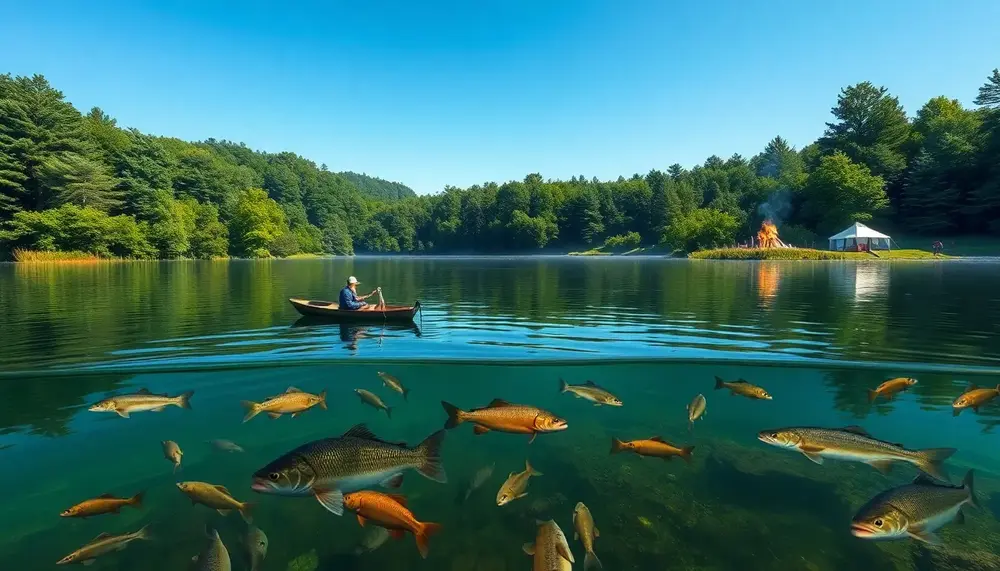
Kentucky Lake is home to an impressive diversity of fish species, boasting a total of 242 species in its waters. This makes it one of the most varied fish communities in North America. The rich ecosystem supports not only well-known game fish but also lesser-known species, providing anglers with ample opportunities for exploration and catch.
The lake's diverse habitats, including shallow bays, deep channels, and lush shorelines, create ideal conditions for various fish species to thrive. This diversity means that whether you’re a seasoned angler or just starting out, you’ll find a range of fish to target. Here’s a closer look at some of the most common species found in Kentucky Lake:
- Largemouth Bass: Known for their size and fight, these bass are a favorite among anglers.
- Smallmouth Bass: Renowned for their strength, these fish are often found in rocky areas.
- Spotted Bass: Similar to their larger relatives, they are known for their aggressive behavior.
- White Bass: Popular for their schooling behavior, making them easier to catch.
- Striped Bass: A prized catch, especially during the spring spawning runs.
- Crappie (White and Black): These panfish are sought after for their delicate flavor.
- Bluegill: Commonly found in shallow waters, they are perfect for beginners.
- Catfish (Blue, Channel, and Flathead): Known for their size and fight, they provide a thrilling experience.
- Sauger: A lesser-known species that thrives in deeper waters.
This wide variety ensures that there’s always something biting, making Kentucky Lake a top destination for fishing enthusiasts. Whether you’re casting from a boat or fishing from the shore, the rich aquatic life here guarantees a rewarding fishing experience.
Common Fish Species
In Kentucky Lake, anglers can expect to encounter a variety of common fish species that cater to different fishing styles and preferences. Each species brings its own unique characteristics and challenges, making the fishing experience both diverse and exciting. Here’s a deeper look at some of the most prevalent species you might encounter:
- Largemouth Bass: This species is not only abundant but also highly sought after for its size and fighting ability. They thrive in weedy areas and around submerged structures.
- Smallmouth Bass: Known for their spirited fight, these fish prefer rocky habitats and are often found in clearer waters. They are a favorite among anglers who enjoy a challenge.
- Spotted Bass: Similar to their larger counterparts, they can be found in various habitats, making them a versatile target for fishermen.
- White Bass: These fish are known for their schooling behavior, which makes them a fun catch, especially during the spring spawning season.
- Striped Bass: A popular game fish, they are known for their size and strength. Striped bass often migrate, so timing and location are key for successful catches.
- White Crappie: These panfish are favored for their delicate flavor and are often found in schools, making them easier to catch in large numbers.
- Black Crappie: Similar to white crappie but often found in slightly deeper waters, they are another excellent choice for anglers seeking a tasty meal.
- Bluegill: Perfect for beginners, these fish are abundant and can be caught using simple bait and techniques.
- Redear Sunfish: Known as shellcrackers, they are identifiable by their red ear flap and are often found in sandy or gravelly areas.
- Yellow Perch: This species is recognized for its striking coloration and is often targeted during the colder months.
- Blue Catfish: These large catfish are known for their size and are often found in deeper waters, providing a thrilling experience for anglers.
- Channel Catfish: A staple for many catfish anglers, channel cats are found throughout the lake and are easily targeted with a variety of baits.
- Flathead Catfish: Known for their impressive size, flatheads are often sought after by anglers looking for a big catch.
- Sauger: Often confused with walleye, sauger are identifiable by their dark spots and are typically found in deeper, cooler waters.
Understanding the characteristics and habitats of these species can greatly enhance your fishing experience in Kentucky Lake. Whether you're looking for a specific type of fish or simply want to enjoy a day on the water, this lake offers something for every angler.
Largemouth Bass
The Largemouth Bass (Micropterus salmoides) is one of the most popular game fish found in Kentucky Lake. Recognizable by its distinctive greenish body and large mouth, which extends past its eyes, this species is highly sought after by anglers for its size and fighting ability.
Largemouth Bass prefer warmer waters and are often found in shallow areas, particularly around vegetation, fallen trees, and submerged structures. They are opportunistic feeders, preying on smaller fish, insects, and even amphibians. This makes them a versatile target for various fishing techniques, including:
- Topwater Fishing: Using lures that float on the surface can provoke aggressive strikes, especially during early morning or late evening.
- Jigging: Jigs are effective for targeting bass hiding in cover.
- Spinnerbaits: These lures are great for attracting attention in murky waters.
- Plastic Worms: A classic choice for bass fishing, they can be fished in various ways to entice bites.
During the spawning season, typically occurring in late spring, Largemouth Bass move into shallow waters to create nests. This is an excellent time for anglers to target them, as they can become more aggressive in defending their nests. Knowing the local regulations regarding size and bag limits is essential to ensure sustainable fishing practices.
Whether you’re a beginner or an experienced angler, Largemouth Bass fishing in Kentucky Lake can be a thrilling experience. The combination of favorable habitats and active populations makes it a must-try for anyone looking to enjoy a day on the water.
Smallmouth Bass
The Smallmouth Bass (Micropterus dolomieu) is a highly regarded species among anglers for its spirited fight and adaptability to various habitats. Known for its bronze coloration and distinctive horizontal stripes, this bass is often found in clear, rocky waters, making it a prime target for sport fishing.
Smallmouth Bass thrive in environments with strong currents, such as rivers and streams, but they are also prevalent in the deeper sections of Kentucky Lake. Their diet primarily consists of smaller fish, crayfish, and aquatic insects, which makes them opportunistic feeders.
Successful fishing for Smallmouth Bass often involves the use of specific techniques and tackle:
- Jerkbaits: Effective for enticing active fish, especially during the warmer months.
- Crankbaits: These can mimic the movement of prey and are particularly useful in deeper waters.
- Live Bait: Nightcrawlers and minnows are often irresistible to Smallmouth Bass.
- Fly Fishing: Smallmouth Bass are also a popular target for fly fishermen, especially with streamers and poppers.
Anglers should note that Smallmouth Bass tend to be more active during the early morning and late evening hours. They often seek shelter near rocky structures, submerged logs, and vegetation, providing excellent ambush points for feeding.
Understanding the seasonal behavior of Smallmouth Bass can enhance your fishing experience. During the spawning season, which typically occurs in late spring, males become more territorial, making them easier to catch. However, it’s essential to practice catch-and-release to help maintain the population.
In summary, targeting Smallmouth Bass in Kentucky Lake can yield exciting and rewarding fishing adventures. Their aggressive nature and willingness to strike make them a favorite among those looking for a thrilling angling experience.
Spotted Bass
The Spotted Bass (Micropterus punctulatus) is a distinct species that adds to the diversity of fish in Kentucky Lake. Often referred to as Kentucky bass or Alabama spotted bass, this fish is characterized by its smaller size compared to Largemouth and Smallmouth Bass and its notable spotted pattern along the sides.
Spotted Bass are typically found in warmer waters and prefer areas with ample structure, such as submerged rocks, logs, and vegetation. They are known for their aggressive feeding habits, making them an exciting catch for anglers.
When targeting Spotted Bass, consider using the following techniques:
- Spinnerbaits: These are effective for drawing strikes in both shallow and deeper waters.
- Jigs: Particularly when fished near cover, jigs can entice even the most cautious Spotted Bass.
- Soft Plastics: Worms and creature baits can be particularly effective when presented in a natural manner.
- Topwater Lures: Early mornings and late evenings are prime times for using topwater lures to provoke explosive strikes.
During the spawning season, which occurs in late spring, males become particularly aggressive as they guard their nests. This behavior can provide anglers with excellent opportunities to catch them. However, it's crucial to practice responsible fishing by adhering to local regulations and considering catch-and-release practices.
Spotted Bass are known for their acrobatic fights, often jumping out of the water when hooked, which adds an extra layer of thrill to the fishing experience. Their adaptability to various habitats and willingness to strike makes them a favorite among both novice and experienced anglers in Kentucky Lake.
White Bass
The White Bass (Morone chrysops) is a popular species among anglers in Kentucky Lake, known for its schooling behavior and spirited fight. Often referred to as "Stripers" or "Sand Bass," these fish are easily recognizable by their silver body and distinct horizontal black stripes.
White Bass are typically found in open waters and are particularly active during the spring and fall when they migrate to shallower areas for spawning. They are known to form large schools, making them easier to locate and catch, especially when they are feeding on smaller baitfish.
Effective techniques for targeting White Bass include:
- Topwater Lures: These can provoke aggressive strikes during feeding frenzies, particularly at dawn and dusk.
- Jigs: Use jigs tipped with minnows or soft plastics to entice bites, especially in deeper waters.
- Spinnerbaits: These lures work well in various conditions and can attract White Bass when they are actively feeding.
- Live Bait: Using shad or small minnows can be particularly effective, especially during peak feeding times.
During the warmer months, White Bass can often be found in the cooler, deeper waters of the lake, while in the spring, they tend to move closer to the shore for spawning. Anglers should pay attention to the seasonal patterns, as they can significantly impact catch rates.
It’s important to be aware of local regulations regarding size and bag limits when fishing for White Bass, as sustainable practices help maintain the population for future generations. This species not only provides a thrilling fishing experience but also contributes to the diverse aquatic ecosystem of Kentucky Lake.
Striped Bass
The Striped Bass (Morone saxatilis) is a highly esteemed species in Kentucky Lake, known for its impressive size and vigorous fight. Commonly referred to as "Rockfish" or "Linesides," these fish can grow quite large, often exceeding 20 pounds, making them a thrilling target for anglers.
Striped Bass are anadromous, meaning they migrate between saltwater and freshwater. In Kentucky Lake, they are typically found in deeper waters, especially during the warmer months when they seek cooler temperatures. Their diet mainly consists of smaller fish, such as shad and herring, which makes them an exciting catch when they are actively feeding.
To effectively fish for Striped Bass, consider employing the following strategies:
- Trolling: This method is particularly effective for covering large areas of water and locating schools of feeding fish.
- Live Bait: Using live shad or herring can yield excellent results, especially during peak feeding times.
- Jigging: Vertical jigging with heavy jigs can be effective in deeper waters where Striped Bass tend to congregate.
- Chunk Bait: Using cut bait can attract larger specimens, especially in areas where they are known to feed.
During their spawning season in the spring, Striped Bass migrate into tributaries, which can provide anglers with unique opportunities to catch them in different habitats. However, it's essential to be aware of local regulations regarding their size and bag limits to promote sustainable fishing practices.
The thrill of hooking a Striped Bass, coupled with its acrobatic leaps and powerful runs, makes this species a favorite among fishing enthusiasts in Kentucky Lake. Their presence not only enriches the fishing experience but also contributes to the overall biodiversity of the lake.
White Crappie
The White Crappie (Pomoxis annularis) is a favored species among anglers in Kentucky Lake, known for its excellent taste and the thrill of catching them. These fish are characterized by their silver body with dark vertical stripes and can grow up to 12 inches in length, although larger specimens are occasionally caught.
White Crappie are typically found in shallow waters during the spring, especially around structures like submerged trees, brush piles, and vegetation. Their preference for warmer waters makes them particularly active during the late spring and early summer months when they spawn.
To effectively target White Crappie, anglers can utilize various fishing techniques:
- Jigging: Small jigs, particularly those with bright colors or soft plastic tails, are highly effective when fished near cover.
- Live Bait: Minnows are a classic choice for attracting Crappie and can be fished under a bobber for better visibility.
- Spider Rigging: This technique involves using multiple rods with live bait to cover more water and increase catch rates.
- Vertical Jigging: Dropping jigs straight down in deep water can be effective, especially when Crappie are suspended at various depths.
During the spawning season, which typically occurs in late spring, White Crappie tend to gather in large numbers, making them easier to catch. Anglers should look for them in shallow coves or along the shoreline, where they build nests in sandy or gravelly areas.
Understanding the behavior and habitat preferences of White Crappie can enhance your fishing success. These fish are not only fun to catch but also provide a delicious meal, making them a popular choice for recreational anglers in Kentucky Lake.
Black Crappie
The Black Crappie (Pomoxis nigromaculatus) is a highly sought-after species in Kentucky Lake, prized for its delicate flavor and the thrill of catching them. This fish is easily identifiable by its dark, spotted body, which can vary in color from black to olive green, often depending on its habitat.
Black Crappie prefer a variety of environments, often found in clear waters with ample vegetation and submerged structures. They thrive in both shallow and deeper waters, making them versatile targets for anglers throughout the year.
Effective methods for catching Black Crappie include:
- Fishing with Jigs: Small jigs, especially those in bright colors, are particularly effective when fished near cover and structures.
- Using Live Bait: Minnows are a favored bait choice and can be presented under a bobber or fished on the bottom.
- Spider Rigging: This technique allows anglers to use multiple rods simultaneously, covering more water and increasing catch rates.
- Vertical Fishing: Dropping jigs or live bait directly beneath a boat can yield good results, especially when Crappie are suspended at certain depths.
During the spawning season, typically occurring in late spring, Black Crappie gather in shallow waters to build nests. This behavior provides excellent opportunities for anglers, as they become more aggressive in defending their nests. Knowing where to find these nests can lead to successful catches.
In addition to their culinary value, Black Crappie are known for their playful and spirited fight, making them a favorite among anglers of all skill levels. Whether you’re fishing from a boat or the shore, targeting Black Crappie in Kentucky Lake can provide both a rewarding challenge and a delicious meal.
Bluegill
The Bluegill (Lepomis macrochirus) is one of the most recognizable and commonly sought-after species in Kentucky Lake, celebrated for its abundance and ease of catch. Often referred to as "Bream" or "Sun Perch," Bluegills are easily identified by their circular body shape and vibrant colors, particularly the blue or black spot at the base of their dorsal fin.
Bluegills thrive in a variety of habitats, preferring warm, shallow waters with plenty of vegetation. They are often found near the shore, making them accessible to shore anglers as well as those fishing from boats. Their diet mainly consists of insects, small crustaceans, and plant matter, which influences their feeding behavior.
For anglers looking to catch Bluegill, the following techniques are particularly effective:
- Using Live Bait: Nightcrawlers and crickets are favorites that can be fished under a bobber to attract Bluegills.
- Small Jigs: Lightweight jigs in bright colors can be effective, especially when fished around weed beds or submerged structures.
- Fly Fishing: Using small poppers or nymphs can yield exciting results, particularly in the warmer months when Bluegills are actively feeding.
- Slip Bobber Rig: This setup allows for precise depth control, making it easier to target Bluegills that are holding at specific depths.
During the spawning season, which typically occurs in late spring to early summer, Bluegills become particularly aggressive and can be found in shallow waters, often nesting in colonies. This behavior presents an excellent opportunity for anglers to catch multiple fish in a single outing.
Bluegill fishing is not only a great way for beginners to learn the ropes, but it also provides fun and fast action for experienced anglers. Their mild flavor makes them a popular choice for a fresh fish dinner, enhancing their appeal as a target species in Kentucky Lake.
Redear
The Redear (Lepomis microlophus), commonly known as the Shellcracker, is a unique and increasingly popular species among anglers in Kentucky Lake. This sunfish is characterized by its larger size compared to other panfish, with a notably distinctive red or orange spot behind its eye, giving it a striking appearance.
Redear are primarily found in warm, shallow waters, especially in areas with abundant vegetation and structures like rocks and fallen timber. They are known for their preference for habitats that provide cover and breeding grounds, making them accessible to anglers during the spawning season.
Anglers targeting Redear can employ various effective techniques:
- Using Live Bait: Redear are particularly attracted to natural baits like nightcrawlers, red wigglers, and small crickets. These can be fished on the bottom or under a bobber.
- Jigging: Small jigs, especially those that mimic the look of their prey, can be very effective, particularly in warmer months.
- Fly Fishing: Using small, weighted nymphs or dry flies can yield good results, especially in shallow areas during the spawning season.
- Bottom Fishing: This technique can be effective in deeper waters where Redear often feed on snails and other bottom-dwelling organisms.
Spawning typically occurs in late spring, and during this time, Redear become quite aggressive, making them easier to catch. They often create nests in sandy or gravelly areas, which can be a prime spot for anglers looking to target them.
The Redear's mild flavor and firm flesh make it a highly sought-after species for those looking to enjoy a delicious meal after a day on the water. Their unique characteristics and the challenge they present make Redear a rewarding target for both novice and experienced anglers in Kentucky Lake.
Yellow Perch
The Yellow Perch (Perca flavescens) is a well-regarded species in Kentucky Lake, known for its vibrant yellow coloration and distinctive vertical black stripes. This fish is highly sought after not only for its fighting ability but also for its excellent flavor, making it a popular choice for both recreational anglers and culinary enthusiasts.
Yellow Perch prefer cooler waters and are typically found in lakes and rivers during the spring and fall months. They often inhabit areas with sandy or gravelly bottoms, where they can easily find their primary food sources, including small fish, insects, and crustaceans.
When targeting Yellow Perch, consider using the following fishing techniques:
- Jigging: Small jigs tipped with minnows or soft plastics can be very effective, especially when fished at varying depths.
- Live Bait: Using live minnows or worms can attract Yellow Perch, particularly when fished near the bottom.
- Slip Bobber Rig: This method allows for precise depth control, which is important since Yellow Perch often suspend at specific depths.
- Ice Fishing: In winter, Yellow Perch can be caught through the ice, making them a popular target for ice anglers.
During the spawning season, which typically occurs in late winter to early spring, Yellow Perch move into shallower waters, making them easier to locate. They often spawn in large groups, which can lead to high catch rates during this time.
With their delicious taste and the challenge they present, Yellow Perch fishing adds variety to the angling experience in Kentucky Lake. Their presence not only contributes to the local ecosystem but also provides anglers with enjoyable and rewarding fishing adventures.
Blue Catfish
The Blue Catfish (Ictalurus furcatus) is a prominent species in Kentucky Lake, recognized for its impressive size and strength. This species can grow up to 100 pounds or more, making it a thrilling target for anglers seeking a substantial catch. Blue Catfish are characterized by their long, slender bodies and slate-blue coloration, which can vary depending on their environment.
These fish are typically found in deeper waters and are known to prefer areas with strong current, such as river channels and deep pools. They are opportunistic feeders, primarily preying on fish, but will also consume a variety of other food sources, including crustaceans and insects.
Effective strategies for catching Blue Catfish include:
- Bottom Fishing: Using heavy weights to keep bait near the bottom is crucial, as Blue Catfish often feed close to the lake floor.
- Live Bait: Live shad, bluegill, and other baitfish are particularly effective, as they mimic the natural prey of Blue Catfish.
- Cut Bait: Fresh cut bait from fish like shad or herring can attract Blue Catfish effectively, especially in warmer months.
- Trolling: This method can help locate schools of Blue Catfish, especially in deeper waters where they tend to congregate.
Spawning typically occurs in late spring and early summer, with Blue Catfish moving into shallow waters to breed. During this time, they can be more aggressive, which presents a prime opportunity for anglers to catch them.
Due to their size and fighting ability, Blue Catfish are not only a popular target for sport fishing but also provide excellent table fare. Their mild, flaky flesh is highly regarded, making them a sought-after catch for those looking to enjoy a delicious meal after a successful day on the water.
Understanding the habits and preferences of Blue Catfish can enhance the fishing experience in Kentucky Lake, making it a must-try for anglers eager to tackle this formidable species.
Channel Catfish
The Channel Catfish (Ictalurus punctatus) is one of the most popular and widely sought-after species in Kentucky Lake, known for its adaptability and aggressive feeding behavior. This species is identifiable by its long, slender body, smooth skin, and distinctive forked tail, often exhibiting a bluish or grayish hue with small black spots.
Channel Catfish thrive in a variety of environments, including rivers, lakes, and reservoirs. They are commonly found in both shallow and deep waters, particularly near structures such as submerged logs, rocks, and vegetation, which provide excellent hiding spots for ambushing prey.
When targeting Channel Catfish, anglers can utilize several effective techniques:
- Bottom Fishing: This method is highly effective, as Channel Catfish often feed near the bottom. Using heavy weights to keep bait close to the lake floor increases the chances of a catch.
- Live Bait: Channel Catfish are attracted to a variety of live baits, including minnows, worms, and shad. These can be fished on the bottom or under a bobber.
- Cut Bait: Fresh cut bait from fish such as shad or herring can be particularly effective, especially during warmer months when catfish are more active.
- Stink Bait: Prepared baits with strong odors can attract Channel Catfish from a distance, making them a popular choice among catfish anglers.
Spawning generally occurs in late spring to early summer when water temperatures rise. During this period, Channel Catfish may move into shallow waters to spawn, which can provide excellent fishing opportunities. Their nesting behavior often involves seeking out cavities or protective areas, making them easier to locate.
Channel Catfish are known not only for their fighting ability but also for their delicious taste, making them a favored choice for anglers looking to enjoy a meal after a successful fishing trip. Their prevalence and accessibility in Kentucky Lake further enhance their appeal, ensuring that both novice and experienced anglers have a rewarding fishing experience.
Flathead Catfish
The Flathead Catfish (Pylodictis olivaris), also known as the Yellow Cat or Mud Cat, is a notable species in Kentucky Lake, prized for its size and fighting ability. Recognizable by its broad, flat head and long, slender body, this catfish can grow quite large, with some individuals reaching weights of over 100 pounds.
Flathead Catfish are primarily found in deeper waters, often preferring areas with ample cover, such as submerged logs, rocks, and dense vegetation. They are nocturnal feeders, which means they tend to be more active during the night, making evening fishing trips particularly fruitful.
To effectively target Flathead Catfish, anglers can use various techniques:
- Live Bait: Flatheads are known for their preference for live bait, such as sunfish, shad, or small catfish. Using a strong rod and reel setup is essential to handle their powerful runs.
- Cut Bait: Fresh cut bait from fish like shad can be effective, especially when fished on the bottom where Flatheads often hunt.
- Bottom Fishing: This technique involves using weights to keep the bait close to the lake floor, as Flathead Catfish are bottom dwellers.
- Trolling: While less common, trolling with large baits in deeper waters can also yield results, particularly during the warmer months.
The spawning season for Flathead Catfish typically occurs in late spring to early summer. During this time, they seek out sheltered areas to lay their eggs, which can create unique fishing opportunities as they become more aggressive in defending their nests.
Due to their size and the challenge they present, Flathead Catfish are a favorite among anglers looking for a thrilling fishing experience. Their firm, mild-flavored flesh is also highly regarded, making them a delicious catch for those who enjoy cooking their catch.
Understanding the habits and preferred habitats of Flathead Catfish can significantly enhance your fishing success in Kentucky Lake, making this species a rewarding target for both novice and experienced anglers alike.
Sauger
The Sauger (Sander canadensis) is a notable species found in Kentucky Lake, often appreciated for its excellent taste and spirited fight. This fish is closely related to the walleye, sharing a similar appearance but is typically smaller in size, usually reaching lengths of 12 to 24 inches.
Sauger are often found in deeper, cooler waters, particularly in areas with sandy or gravelly bottoms. They prefer habitats that provide cover, such as submerged rocks, logs, or vegetation, where they can ambush their prey. Their diet primarily consists of smaller fish, making them opportunistic feeders.
To effectively catch Sauger, anglers can use the following methods:
- Jigging: Vertical jigging with a heavy jig tipped with a minnow or soft plastic can be very effective, especially in deeper waters.
- Live Bait: Using live minnows or nightcrawlers can attract Sauger, particularly during their active feeding times.
- Bottom Bouncing: This technique involves dragging a weighted bait along the bottom to entice bites from Sauger that are holding near the substrate.
- Trolling: Using crankbaits or spinnerbaits while trolling can cover more water and help locate active fish.
Spawning typically occurs in late winter to early spring, when water temperatures rise. During this time, Sauger move into shallow waters to spawn, which can create excellent fishing opportunities as they are more concentrated and aggressive.
Understanding the habits and seasonal patterns of Sauger can enhance fishing success in Kentucky Lake. Their mild, flaky flesh is highly regarded for its flavor, making them a desirable catch for anglers looking to enjoy a delicious meal. Whether you’re fishing from a boat or the shore, targeting Sauger can provide a rewarding fishing experience.
Benefits for Anglers
Fishing in Kentucky Lake and Lake Barkley offers numerous benefits for anglers, making it a prime destination for fishing enthusiasts. Here are some key advantages:
- Diverse Fish Species: With 242 different fish species, anglers can enjoy a wide range of fishing experiences. This diversity allows for various fishing techniques and styles, appealing to both novices and seasoned anglers.
- Year-Round Fishing Opportunities: Kentucky Lake and Lake Barkley provide fishing opportunities throughout the year. Different species become active in various seasons, ensuring that there is always something to catch.
- Access to Quality Resources: Anglers have access to comprehensive fishing resources, including reports, guides, and expert tips, which enhance their fishing success and enjoyment.
- Scenic Environment: The beautiful landscapes surrounding the lakes offer a tranquil setting for fishing. The natural beauty enhances the overall experience, making it a great place to relax and unwind.
- Community and Events: Numerous fishing tournaments and community events provide opportunities for anglers to connect, compete, and share experiences. These gatherings foster camaraderie and a sense of belonging among fishing enthusiasts.
- Accessibility: The lakes are easily accessible with a variety of lodging options, including cabins, campgrounds, and hotels. This convenience allows for extended fishing trips without hassle.
In summary, Kentucky Lake and Lake Barkley not only provide excellent fishing opportunities but also enhance the overall angling experience through diverse species, scenic beauty, and community engagement. These benefits make the lakes a favored choice for anglers looking for memorable fishing adventures.
Current Lake Conditions
Understanding the current lake conditions is crucial for anglers planning their fishing trips to Kentucky Lake. As of now, the following conditions are observed:
- Current Weather: Fair conditions prevail, providing a comfortable environment for fishing activities.
- Air Temperature: The air temperature stands at 19°F, which may influence fish behavior and feeding patterns.
- Water Temperature: The water temperature is currently at 49°F. This is relatively cool, which can affect the activity levels of various fish species.
- Lake Stage: The lake stage is measured at 354.75 ft, indicating the water level relative to normal pool levels. This information is vital for understanding the accessibility of certain fishing spots.
These conditions can vary significantly with weather changes, so it is advisable for anglers to check local forecasts and lake reports before heading out. Understanding the relationship between temperature, lake levels, and fish behavior can lead to more successful fishing outings.
In addition, the cooler water temperatures may mean that fish are less active, so anglers might consider adjusting their techniques accordingly, such as using slower presentations and deeper fishing methods.
Fishing Highlights
Fishing in Kentucky Lake and Lake Barkley is a renowned experience, attracting anglers from across the United States. The lakes are celebrated for their rich aquatic life and the diverse fishing opportunities they provide. Here are some key highlights:
- Abundant Game Fish: Anglers can target a variety of popular species, including Largemouth Bass, Smallmouth Bass, and Crappie. These species not only offer exciting fishing but also provide excellent table fare.
- Seasonal Variability: Fishing conditions and species activity vary significantly with the seasons. Late winter and early spring are particularly fruitful times for fishing, as many species become more active and aggressive as temperatures rise.
- Unique Fishing Environments: The lakes feature diverse habitats, including shallow bays, rocky structures, and deep channels, allowing for different fishing techniques and experiences. Each area presents unique challenges and rewards for anglers.
- Tournaments and Events: Kentucky Lake hosts numerous fishing tournaments throughout the year, providing anglers with opportunities to compete and connect with fellow fishing enthusiasts. These events often draw large crowds and can enhance the overall fishing experience.
- Family-Friendly Fishing: The accessibility of the lakes makes them ideal for family outings. Many species, such as Bluegill and Crappie, are perfect for introducing children to fishing, ensuring a fun and engaging experience for all skill levels.
- Scenic Beauty: The natural landscapes surrounding Kentucky Lake and Lake Barkley enhance the fishing experience, offering stunning views and a peaceful atmosphere that many anglers cherish.
With these highlights, Kentucky Lake and Lake Barkley stand out as premier fishing destinations, offering something for every angler, from beginners to seasoned pros. Whether you're looking for a quiet day of fishing or a competitive tournament, these lakes provide the perfect backdrop for unforgettable fishing adventures.
Fishing Resources
When planning a fishing trip to Kentucky Lake and Lake Barkley, having access to comprehensive fishing resources can significantly enhance your experience. Here are some valuable resources available to anglers:
- Fishing Overview: This resource serves as a comprehensive guide for newcomers, detailing essential information about the lakes, fish species, and fishing regulations. It provides a foundational understanding for those unfamiliar with the area.
- Fishing 101: This section offers tips and expert advice on various fishing techniques, bait selection, and seasonal strategies. Whether you're a beginner or looking to refine your skills, this resource can help improve your fishing success.
- Fishing Reports: Regular updates on fishing conditions, including water temperature, clarity, and species activity, are provided through recent articles. These reports keep anglers informed about the best times and locations to fish.
- Fishing Report Archives: An extensive archive containing over 20 years of fishing reports (more than 1,600 entries since 2001) allows anglers to research historical trends and patterns in fish behavior, helping them make informed decisions.
- Local Guides and Charters: Many experienced fishing guides and charter services are available in the area, offering personalized experiences and insider knowledge about the best fishing spots and techniques.
- Online Forums and Communities: Engaging with local fishing forums and social media groups can provide anglers with real-time advice, tips, and shared experiences from fellow fishing enthusiasts.
Utilizing these resources can help anglers of all skill levels maximize their fishing experiences in Kentucky Lake and Lake Barkley. Staying informed and connected with the local fishing community enhances the overall adventure, making every trip more enjoyable and successful.
Regional Information on Kentucky Lake
Kentucky Lake is not only one of the largest lakes in the United States but also a hub for recreational activities and wildlife. Here are some key aspects of this remarkable body of water:
- Geographical Features: Spanning 160,000 acres and boasting over 2,380 miles of shoreline, Kentucky Lake offers a variety of geographical features, including numerous bays, inlets, and coves that provide ideal fishing spots and scenic views.
- Nature Preserve: The lake is home to a 170,000-acre nature preserve, which supports diverse wildlife and habitats. This preserve enhances the ecological balance and offers opportunities for bird watching and nature walks, making it a great destination for outdoor enthusiasts.
- Accessibility: Kentucky Lake is easily accessible from several major highways, making it a convenient destination for both local and out-of-state visitors. The surrounding areas offer various amenities and facilities to accommodate anglers and vacationers alike.
- Water Quality: The lake is regularly monitored for water quality, ensuring a healthy environment for aquatic life and safe conditions for recreational activities. Clean water supports the diverse fish species that inhabit the lake.
- Recreational Opportunities: Beyond fishing, Kentucky Lake offers a range of recreational activities, including boating, kayaking, swimming, and hiking. The expansive shoreline provides ample space for picnicking and relaxation, catering to families and individuals seeking leisure activities.
- Local Communities: The towns surrounding Kentucky Lake, such as Benton and Murray, provide essential services, dining options, and lodging for visitors. Local businesses often cater to anglers, offering bait shops, tackle stores, and guided fishing tours.
In summary, Kentucky Lake is a diverse and vibrant ecosystem that not only supports a wide variety of fish species but also provides numerous recreational opportunities and beautiful natural scenery. Whether you are fishing, exploring, or simply enjoying the great outdoors, Kentucky Lake has something to offer everyone.
Regional Information on Lake Barkley
Lake Barkley is an integral part of the Kentucky Lake and Lake Barkley fishing experience, known for its scenic beauty and diverse recreational opportunities. Here are some important details about Lake Barkley:
- Size and Dimensions: Lake Barkley stretches approximately 134 miles in length, providing ample space for various water activities, including fishing, boating, and kayaking.
- Shoreline Features: With over 1,000 miles of shoreline, Lake Barkley offers numerous coves, bays, and inlets that create ideal habitats for a variety of fish species. These features also enhance the overall fishing experience by providing diverse environments.
- Hydrological Significance: The lake was created by damming the Cumberland River, and it plays a crucial role in flood control and water management in the region. This engineering feat contributes to the lake's stability and water quality.
- Wildlife and Nature: Lake Barkley is surrounded by lush woodlands and wildlife refuges, making it a haven for birdwatchers and nature enthusiasts. The area is home to various species of birds, mammals, and aquatic life, enriching the natural experience for visitors.
- Fishing Regulations: Lake Barkley has specific fishing regulations in place to ensure sustainable fishing practices. Anglers should familiarize themselves with local rules regarding size limits, bag limits, and seasonal restrictions to promote conservation.
- Accessibility: The lake is easily accessible from major highways, with numerous public access points and boat ramps, making it convenient for anglers and recreational boaters alike.
Overall, Lake Barkley offers a rich environment for fishing and outdoor activities, enhancing the overall experience for visitors. Its combination of natural beauty, diverse habitats, and robust fishing opportunities makes it an appealing destination for anglers and nature lovers.
Events and Activities for Anglers
Events and activities for anglers at Kentucky Lake and Lake Barkley provide a dynamic and engaging experience for fishing enthusiasts of all skill levels. Here are some notable events and activities available throughout the year:
- Fishing Tournaments: Various fishing tournaments are held throughout the year, attracting both competitive and recreational anglers. These events often feature different categories based on species and skill level, providing opportunities to win prizes and recognition.
- Family Fishing Days: Many local organizations host family-friendly fishing events aimed at introducing children and beginners to the joys of fishing. These events often include free bait, equipment rentals, and instructional workshops.
- Workshops and Clinics: Anglers can participate in workshops that focus on specific techniques, such as fly fishing or bass fishing strategies. These clinics are often led by experienced anglers and local guides, providing valuable insights and tips.
- Environmental Clean-Up Events: Community-driven clean-up days are organized to help maintain the natural beauty of the lakes. These events encourage anglers and outdoor enthusiasts to contribute to conservation efforts while enjoying a day on the water.
- Seasonal Festivals: Local towns often host seasonal festivals that celebrate the fishing culture, featuring food, music, and activities for families. These festivals can include fishing-related contests and showcases of local crafts and businesses.
- Guided Fishing Tours: For those looking for a more personalized experience, many local guides offer charter services. These tours provide expert knowledge of the lakes, helping anglers locate the best fishing spots and improve their skills.
Participating in these events not only enhances the fishing experience but also fosters a sense of community among anglers. Whether competing in a tournament or enjoying a family fishing day, Kentucky Lake and Lake Barkley offer numerous opportunities to connect with nature and fellow fishing enthusiasts.
Lodging and Amenities Near Fishing Spots
Finding suitable lodging and amenities near fishing spots at Kentucky Lake and Lake Barkley can greatly enhance your overall fishing experience. Here are some options available to anglers:
- Cabins and Cottages: Numerous rental cabins and cottages are available around the lakes, offering a cozy and comfortable stay. Many of these accommodations provide easy access to fishing areas and often come equipped with kitchens, allowing guests to prepare their catch.
- Campgrounds: For those who enjoy camping, there are several campgrounds near the lakes, offering tent and RV sites. Camping provides a unique opportunity to immerse yourself in nature and enjoy the outdoors while being close to fishing spots.
- Hotels and Motels: Various hotels and motels are located in nearby towns, providing convenient lodging options with amenities such as free Wi-Fi, breakfast, and parking. Some establishments cater specifically to fishermen, offering services like fish cleaning stations.
- Marinas: Many marinas around Kentucky Lake and Lake Barkley offer lodging options along with boat rentals, fueling services, and bait shops. Staying at a marina can provide direct access to the water and a vibrant fishing community.
- Dining Options: A range of dining establishments is available nearby, from casual eateries to more upscale restaurants. Many of these places feature local cuisine, including freshly caught fish, allowing anglers to enjoy a taste of the region.
- Local Services: Bait shops, tackle stores, and fishing guide services are readily available in the area. These local businesses can provide essential supplies, expert advice, and guided fishing trips to enhance your fishing experience.
With these diverse lodging and amenity options, anglers can tailor their stay to fit their needs, ensuring a comfortable and enjoyable fishing trip at Kentucky Lake and Lake Barkley.
Tips for Successful Fishing Trips
Planning a successful fishing trip to Kentucky Lake and Lake Barkley requires preparation and knowledge. Here are some essential tips to ensure a rewarding experience:
- Research Local Regulations: Familiarize yourself with the fishing regulations specific to Kentucky Lake and Lake Barkley, including size limits, bag limits, and seasonal restrictions. This ensures compliance and helps protect the fish populations.
- Choose the Right Time: Early mornings and late evenings are often the best times to fish, as many species are more active during these hours. Pay attention to seasonal patterns to maximize your chances of a successful catch.
- Use Appropriate Gear: Ensure you have the right tackle and bait for the species you are targeting. Matching your gear to the fish size and type will enhance your chances of landing a big catch.
- Stay Mobile: If fishing from a boat, be prepared to move to different spots based on fish activity. Exploring various areas can lead to discovering productive fishing locations.
- Observe Weather Conditions: Keep an eye on the weather, as conditions can impact fish behavior. Overcast days can lead to better fishing opportunities, while bright, sunny days may require different techniques.
- Network with Local Anglers: Engage with local fishing communities or guides for insights on current fishing conditions and techniques. They can provide valuable tips and recommend hotspots based on recent activity.
- Practice Catch and Release: To ensure sustainable fishing practices, consider releasing larger fish or those that are not within legal limits. This helps maintain healthy fish populations for future generations.
- Document Your Experiences: Keep a fishing journal to track your catches, techniques used, and conditions experienced. This can help improve your skills and inform future trips.
By following these tips, anglers can enhance their fishing adventures at Kentucky Lake and Lake Barkley, leading to more successful and enjoyable outings.
Conclusion on Fishing in Kentucky Lake and Lake Barkley
In conclusion, fishing at Kentucky Lake and Lake Barkley provides anglers with a unique and fulfilling experience, characterized by a rich diversity of fish species and exceptional fishing conditions. The expansive waters and varied habitats support a wide range of freshwater fish, allowing both novice and experienced anglers to find their preferred species and techniques.
The combination of local resources, including fishing reports, guides, and community events, enhances the fishing experience, fostering a vibrant fishing culture. With year-round opportunities and seasonal activities, these lakes cater to the needs of all anglers, whether they seek competition or leisure.
Moreover, the scenic beauty surrounding Kentucky Lake and Lake Barkley not only enriches the fishing experience but also promotes a connection to nature that many outdoor enthusiasts cherish. As anglers explore these waters, they are likely to create lasting memories and enjoy the thrill of the catch.
Overall, Kentucky Lake and Lake Barkley stand out as premier fishing destinations, offering an ideal blend of adventure, relaxation, and community engagement. Whether you are casting your line for the first time or are a seasoned pro, the lakes promise an unforgettable fishing adventure.
Frequently Asked Questions About Fishing in Kentucky Lake
What are the most common fish species in Kentucky Lake?
The most common fish species in Kentucky Lake include Largemouth Bass, Smallmouth Bass, Spotted Bass, White Bass, and Crappie (both White and Black).
When is the best time to fish in Kentucky Lake?
The best times to fish in Kentucky Lake are during late winter and early spring when many species are most active and aggressive.
What fishing techniques are effective for Largemouth Bass?
Effective techniques for catching Largemouth Bass include topwater fishing, jigging, using spinnerbaits, and fishing with plastic worms.
Are there any seasonal patterns for fish behavior in Kentucky Lake?
Yes, many fish species in Kentucky Lake exhibit seasonal behavior; for example, they tend to spawn in late spring, which affects their feeding patterns and locations.
What types of bait are best for catching Crappie?
Best baits for catching Crappie include live minnows, small jigs, and spider rigging with multiple rods to cover larger areas.